
Laser Eye Surgery: LASIK, PRK, TransPRK and SMILE
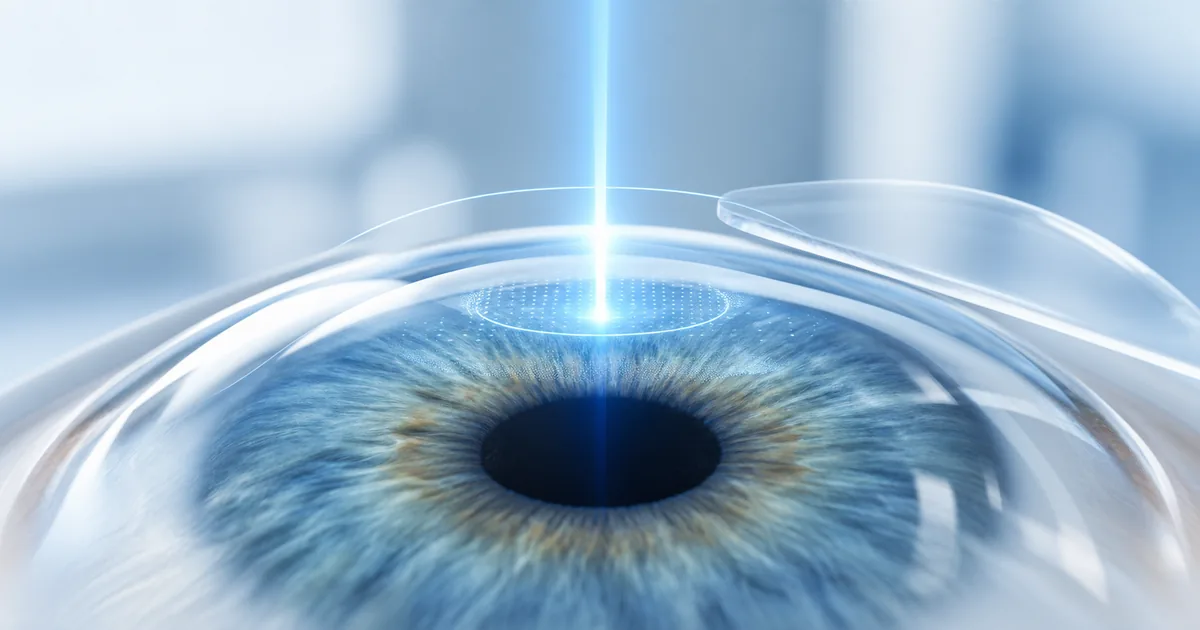
Laser eye surgery can be an important option for people with myopia, hyperopia or astigmatism who would like to reduce their dependence on glasses or contact lenses. These procedures reshape the cornea so that light can focus more accurately on the retina.
Laser vision correction is not a single procedure. Depending on the patient's prescription, corneal shape and thickness, tear film, age, occupation and expectations, LASIK, PRK, TransPRK or SMILE may be considered.
Who may be suitable for laser eye surgery?
Laser eye surgery may be considered for patients who want to reduce their dependence on glasses or contact lenses and are found suitable after a detailed assessment. Not everyone with myopia, hyperopia or astigmatism is an appropriate candidate.
Before surgery, a comprehensive eye examination is performed. The assessment may include:
- Degree of myopia, hyperopia and astigmatism
- Whether the prescription has recently changed
- Corneal thickness and shape
- Corneal topography and tomography
- Tear quantity and signs of dry eye
- Pupil characteristics
- General health of the anterior and posterior segments of the eye
Laser surgery may not be appropriate in some corneal conditions, including corneal thinning or keratoconus. Significant dry eye, certain uncontrolled systemic conditions and a prescription that is still changing can also affect the decision.
For this reason, there is no single prescription limit that determines suitability for everyone. Candidacy depends not only on the prescription but also on the overall health of the eye, particularly the cornea.
What is LASIK?
LASIK is one of the commonly used forms of corneal refractive surgery.
A thin flap is created in the cornea and an excimer laser is then used to reshape the underlying corneal tissue. The aim is to help light focus more accurately on the retina.
Vision often begins to recover relatively quickly after LASIK, although the time needed for vision to become fully stable varies between patients.
In suitable patients, LASIK can be used to correct refractive errors such as myopia, hyperopia and astigmatism.
What is PRK?
PRK (Photorefractive Keratectomy) is a surface laser treatment.
The corneal epithelium is removed and the underlying corneal tissue is reshaped with an excimer laser. Unlike LASIK, a conventional corneal flap is not created.
The surface of the cornea needs time to heal after PRK, so visual recovery can take longer than after LASIK.
What is TransPRK?
TransPRK is an advanced form of surface laser treatment.
In this technique, the corneal epithelium is removed with the laser and the cornea is reshaped. Because no surgical instrument is used to remove the epithelium, TransPRK is sometimes described as “no-touch laser” treatment.
TransPRK is not automatically the best option for every patient. Corneal structure, prescription, occupation, recovery needs and expectations are considered together.
What is SMILE?
SMILE (Small Incision Lenticule Extraction) is a refractive procedure in which a small piece of corneal tissue, called a lenticule, is removed through a small incision.
Unlike LASIK, a conventional corneal flap is not created. A femtosecond laser forms the lenticule within the cornea, which is then removed through the small incision.
Choosing between SMILE, LASIK and surface laser procedures involves more than the technology itself. Corneal structure, prescription, tear film and everyday visual needs are also considered.
Can myopia be treated with laser surgery?
In suitable patients, myopia can be corrected with refractive laser surgery. The degree of myopia alone, however, is not enough to determine suitability.
Corneal thickness, topography and tomography, tear film and other eye characteristics should also be assessed.
Can astigmatism be treated with laser surgery?
Astigmatism can also be treated with laser eye surgery in suitable patients. Correcting astigmatism may improve everyday visual function and quality of vision for some patients.
In patients with higher astigmatism, the corneal shape should be assessed carefully. Corneal topography and tomography can help evaluate suitability and guide procedure selection.
Which tests are performed before laser eye surgery?
A comprehensive refractive surgery assessment is performed before treatment. The current prescription is measured and information about glasses or contact lens use is reviewed.
Corneal topography and tomography may be used to evaluate the cornea. When needed, the tear film, ocular surface, pupil and other parts of the eye are also assessed.
Contact lenses can affect corneal measurements, so patients may need to stop wearing them before the assessment or surgery. Dr. Bilal Kavşut generally recommends stopping contact lens use approximately five days before surgery, although this can vary according to lens fit, duration of wear, dryness or allergy. The appropriate interval should be determined after examination.
Are there risks with laser eye surgery?
As with any surgical procedure, refractive laser surgery has risks and limitations.
Possible postoperative issues can include:
- Dry eye
- Temporary fluctuations in vision
- Glare around lights at night
- Halos and glare
- Changes in contrast sensitivity
- Under- or over-correction
- Continued need for glasses or contact lenses
It is therefore not appropriate to guarantee that a patient will never need glasses again. In my practice, I discuss expectations, possible outcomes and risks in detail and make the suitability decision together with the patient.
Can the prescription return after laser eye surgery?
The prescription can change over time in some patients, and the intended correction may not always be achieved completely. Short- and long-term expectations should therefore be discussed before surgery.
An additional treatment may sometimes be considered, but whether this is possible depends on the corneal structure and other eye characteristics.
Presbyopia, the age-related loss of near focusing ability, also develops with age. Laser eye surgery does not completely eliminate the future need for reading glasses caused by presbyopia.
Is laser eye surgery painful?
Anaesthetic eye drops are generally used during surgery. Comfort and recovery afterwards vary according to the procedure.
Vision usually recovers more quickly after LASIK. With surface treatments such as PRK and TransPRK, the corneal surface needs to heal, so stinging, watering or light sensitivity may occur during the first few days and visual recovery may take longer.
Occupation, daily routine, sports and the amount of time available for recovery are considered when selecting a procedure.
Laser eye surgery in Istanbul
For patients in Bağcılar, Güneşli, Bahçelievler, Güngören and Bakırköy who want to reduce their dependence on glasses or contact lenses, refractive laser surgery options can be assessed.
The appropriate procedure is not determined by location or prescription alone. Every patient has a different corneal structure, eye health profile and set of expectations.
Patients considering laser eye surgery should first undergo a comprehensive eye examination and refractive surgery assessment.
Which laser eye surgery method is better?
It is not accurate to say that LASIK, PRK, TransPRK or SMILE is the best option for everyone.
Procedure selection considers the prescription, corneal structure and thickness, topography and tomography, tear film, age, occupation, daily activities and recovery expectations.
The more useful question is therefore not “Which laser is best?” but “Which procedure is more suitable for my eyes?”
Frequently asked questions about laser eye surgery
What does laser vision correction mean?
It is a general term for refractive procedures such as LASIK, PRK, TransPRK and SMILE that aim to reduce dependence on glasses or contact lenses.
Can laser surgery guarantee a zero prescription?
Some patients may achieve the intended visual target, but a zero prescription cannot be guaranteed. Results depend on the initial prescription, corneal structure, healing response and other individual factors.
Can myopia and astigmatism be treated at the same time?
In suitable patients, myopia and astigmatism may be corrected during the same laser treatment. Detailed assessment of the cornea and prescription is required.
Is every person with myopia suitable for laser surgery?
No. Candidacy is not based on the degree of myopia alone. Corneal thickness and shape, tear film and overall eye health are also evaluated.
Will I need glasses again after laser surgery?
Some patients may continue to need glasses or may need them again in later years. Reading glasses can also become necessary because of age-related presbyopia.
LASIK, TransPRK or SMILE: which one?
There is no single correct procedure for every patient. Selection is made after a detailed eye and corneal examination according to the patient's needs.
How long does recovery take?
Recovery depends on the procedure. Vision generally recovers faster after LASIK, while PRK and TransPRK can take longer because the corneal surface needs to heal. Follow-up and postoperative instructions are important.
When should I stop wearing contact lenses before surgery?
The interval can vary according to lens type, fit and its effects on the ocular surface. Around five days may be recommended in general, but the exact period should be determined after examination.
Conclusion
Laser eye treatments are modern refractive procedures that can reduce dependence on glasses and contact lenses in suitable patients. Good outcomes depend not only on the laser platform or procedure name, but also on careful patient selection and detailed assessment.
Corneal analysis, appropriate procedure selection, realistic expectations and postoperative follow-up are key parts of treatment planning.
Patients considering laser eye surgery should have a comprehensive eye examination and refractive surgery assessment before making a treatment decision.
This content is for general information only and does not replace individual medical advice. Suitability can only be determined after an eye examination.