
- ENG
What Is Cataract? Cataract Surgery and Treatment
Learn about the causes of blurred vision, how cataract surgery is performed, and intraocular lens options.
A cataract develops when the eye's natural lens loses its transparency. It can affect visual quality and everyday life. Ophthalmologist Dr. Bilal Kavşut provides eye examinations and individualized treatment assessments at his practice in Güneşli, Bağcılar.
Contact Us for an Examination Explore the Symptoms
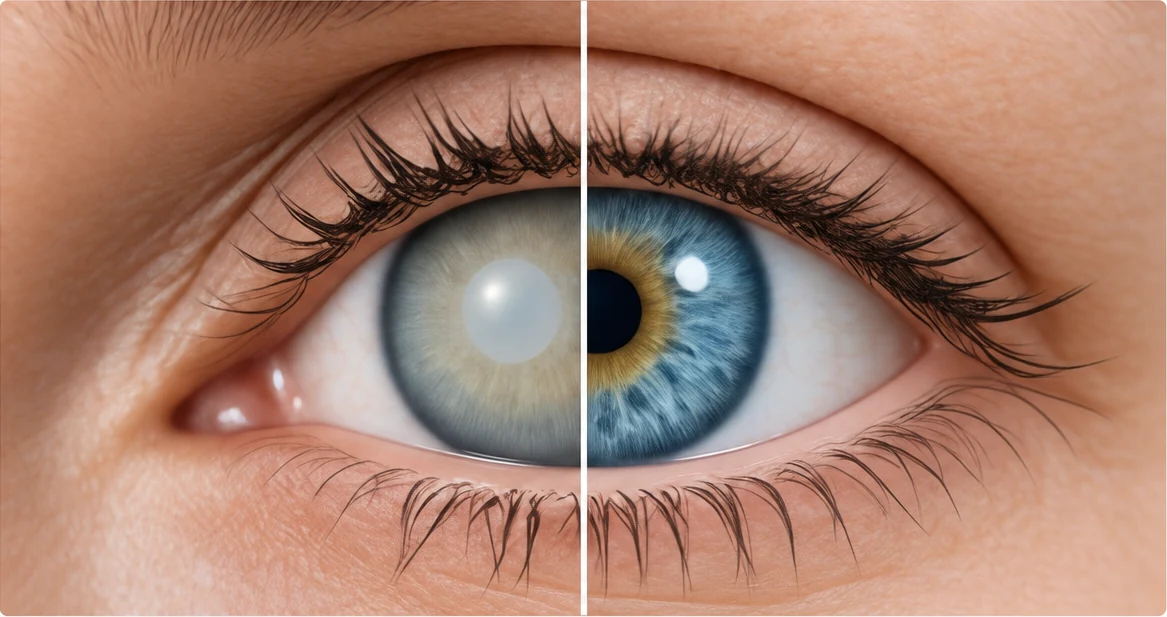
Illustrative image representing cataracts and clear vision.
Blurred Vision
Vision gradually becoming cloudy.
Light Sensitivity
Discomfort from headlights and bright lights.
Faded Colors
Colors appearing less vivid.
Changing Prescription
Frequent changes in glasses prescription.
What is a cataract and what are its symptoms?

A cataract occurs when the natural lens inside the eye becomes cloudy. It usually develops with age, but may also be associated with injury, certain medical conditions, or prolonged corticosteroid use.
Common symptoms include blurred or hazy vision, difficulty seeing at night, glare, faded colors, and frequent changes in glasses prescription. Because these symptoms may also occur with other eye conditions, an eye examination is necessary for diagnosis.
When is cataract surgery needed?
The decision to operate depends not only on the severity of the cataract but also on its impact on daily activities and the examination findings. Surgery is the established treatment for removing a cataract; eye drops and vitamins cannot restore the transparency of a clouded natural lens.
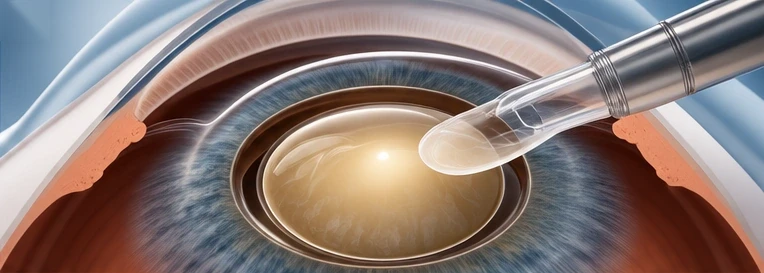
How is cataract surgery performed?
One of the most commonly used techniques is phacoemulsification. Through a small incision, the cloudy natural lens is broken up and removed, then replaced with an artificial intraocular lens.
The procedure is usually performed under topical anesthesia with eye drops. Its duration depends on the technique and the condition of the eye. Suitable patients can generally go home the same day.
Which intraocular lens is used in cataract surgery?
Intraocular lens selection takes into account corneal and retinal health, astigmatism, near and distance vision needs, and individual expectations.
Monofocal Lens
Generally supports vision at one selected distance; glasses may be needed for other distances.
EDOF Lens
EDOF (Extended Depth of Focus) lenses increase the depth of focus, aiming to provide a wider range of clear vision, particularly at distance and intermediate ranges. They may be considered for people sensitive to glare and halos, depending on their eye characteristics and visual expectations.
Trifocal Lens
Trifocal lenses are designed to support clear vision at near, intermediate, and far distances. They offer particularly strong near-vision performance and may reduce dependence on glasses in everyday life for suitable patients.
Toric Lens
These lenses are designed to correct corneal astigmatism in suitable patients and are available with different optical designs.
You can also explore premium intraocular lens options on our Premium Intraocular Lenses page.
From Examination to Recovery
1. Examination and Measurements
The overall health of the eye and the cataract are assessed, and lens measurements are taken.
2. Surgery
The cloudy lens is removed and a suitable artificial intraocular lens is implanted.
3. Follow-up Visits
Eye drops, eye protection, and follow-up appointments are planned individually.
Recovery After Cataract Surgery
Blurred vision, mild irritation, or light sensitivity may occur during the first few days. Vision gradually becomes clearer, and recovery time varies with the condition of the eye. It is important to use prescribed eye drops and attend follow-up appointments.
Seek prompt ophthalmic assessment if you develop severe pain, sudden loss of vision, or marked redness.
Are there risks associated with cataract surgery?
As with any surgical procedure, cataract surgery carries risks, including infection, inflammation, changes in eye pressure, retinal problems, and other complications. Clouding of the posterior capsule may develop after surgery; this is not the same as a cataract returning. Potential benefits and risks are discussed during the examination.
Individualized Cataract Assessment with Dr. Bilal Kavşut
Drawing on his professional experience in ophthalmology and eye surgery, Dr. Bilal Kavşut assesses each patient's eye health, visual needs, and suitable lens options together. You can arrange a comprehensive eye examination at his private practice in Güneşli, Bağcılar.
Frequently Asked Questions
How is cataract surgery performed?
The cloudy natural lens is removed through a small incision and replaced with an artificial intraocular lens. Phacoemulsification is one of the most commonly used methods.
Is cataract surgery painful?
The procedure is usually performed using anesthetic eye drops. Significant pain is generally not expected, although discomfort varies between individuals.
How long does cataract surgery take?
The procedure is often relatively short, but the exact duration depends on the cataract, the condition of the eye, and the technique used.
When will I see clearly after cataract surgery?
Vision may improve within the first few days, while complete healing may take several weeks. Other eye conditions may affect the outcome.
Will I need glasses after cataract surgery?
The need for glasses depends on the implanted lens and the characteristics of the eye. Glasses may still be required for certain distances.
Can cataracts come back?
A cataract cannot recur in the natural lens once it has been removed. However, the posterior capsule supporting the implant can become cloudy over time and may be treated with a laser when appropriate.
When should cataract surgery be performed?
The impact of visual impairment on daily life and the examination findings are considered. The appropriate timing is decided together with your ophthalmologist.
Learn More About Cataract Treatment
Contact us to learn more about cataract treatment and other eye health concerns, or to arrange an appointment with Dr. Bilal Kavşut at his practice in Güneşli, Bağcılar.
Book an Appointment with Dr. Bilal KavşutContact via WhatsApp