
Eyelid Surgery (Blepharoplasty): A More Youthful and Refreshed Look
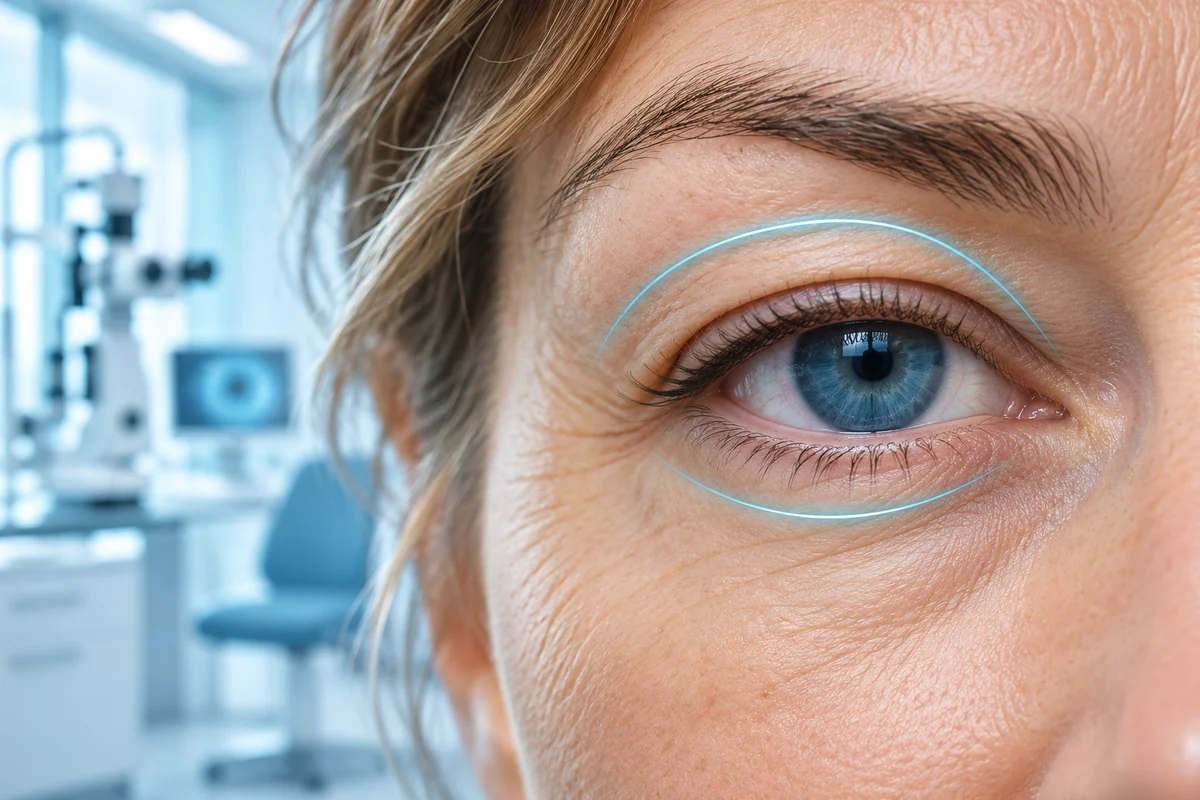
The eyes are among the most important features shaping facial expression and a person's appearance. However, changes in the skin and supporting tissues around the eyes as part of the ageing process can make a person look more tired, sad or older than they are. Excess skin on the upper eyelids, bags under the lower eyelids and looseness around the eyes are among the most common examples of these changes.
Eyelid surgery (blepharoplasty) is an operation that aims to surgically reshape excess skin and, when necessary, fatty tissue in the upper and lower eyelids. It may be performed both to improve appearance and, in some patients, to relieve visual field restriction caused by excess upper eyelid skin.
What Is Eyelid Surgery?
Blepharoplasty is a surgical procedure performed with consideration for the anatomy of the eyelids and the individual's facial features.
The main aim of the operation is to reduce signs of ageing around the eyes while preserving the natural eye structure and facial expression.
Eyelid surgery is performed in two main areas:
- Upper eyelid surgery: Reshaping excess skin and, when necessary, fatty tissue that accumulates in the upper eyelid.
- Lower eyelid surgery: A surgical procedure to address lower eyelid bags, excess skin and tissue laxity.
In some patients, upper or lower eyelid surgery alone may be sufficient, while in others both procedures may be planned together.
Why Is Eyelid Surgery Performed?
As we age, the skin around the eyes loses elasticity. Changes in the tissues supporting the eyelids and displacement of fatty tissue can cause various concerns about appearance.
The main reasons for eyelid surgery include:
- Sagging skin on the upper eyelids
- A tired and aged appearance of the eyelids
- Fatty bags under the lower eyelids
- Excess skin and wrinkles around the eyes
- Narrowing of the visual field due to excess upper eyelid skin
In particular, pronounced excess skin on the upper eyelids can extend over the eyelashes in some people and affect the field of vision. In these cases, surgery may be important for functional as well as aesthetic reasons.
How Is Upper Eyelid Surgery Performed?
Before upper eyelid surgery, the amount of excess skin, eyelid position, eyebrow level and anatomical structures around the eyes are assessed.
Excess skin is removed during the operation. Fatty tissue may also be treated in patients who need it.
The surgical incision is placed within the natural crease of the upper eyelid. The aim is for the scar to remain within the natural eyelid fold as much as possible after healing.
One of the most important considerations in upper eyelid surgery is preserving the eyelid's ability to close while removing an appropriate amount of skin.
How Is Lower Eyelid Surgery Performed?
Lower eyelid bags usually develop as fatty tissues around the eyes become more prominent towards the front and the supporting tissues loosen.
Different surgical techniques may be used in lower eyelid surgery depending on the patient's anatomy.
- An incision just below the eyelashes allows treatment of the skin and, when necessary, muscle tissue.
- An incision on the inside of the eyelid allows fatty tissue to be reshaped without creating an externally visible skin incision.
- When necessary, instead of removing the fatty tissue entirely, it can be repositioned to fill hollows under the eyes.
The choice of technique depends on the patient's excess skin, distribution of fatty tissue and eyelid support.
Who Can Have Eyelid Surgery?
Eyelid surgery is generally suitable for adults who have signs of ageing around their eyes and whose general health permits a surgical procedure.
Eyelid surgery may be considered in the following situations:
- Significant excess skin on the upper eyelids
- Bags under the lower eyelids
- Concerns about signs of ageing around the eyes
- A visual field affected by sagging upper eyelids
However, not all eyelid sagging is caused solely by excess skin. Drooping eyebrows, a drooping eyelid (ptosis) and other anatomical problems around the eyes can create a similar appearance. A detailed eye examination before surgery is therefore important.
What Should Be Considered Before Eyelid Surgery?
Before surgery, the patient's general health, medications, previous eye operations and ocular surface should be assessed.
Particular attention should be paid to dry eyes, the eyelid's ability to close, eye pressure and existing eye conditions.
Blood-thinning medications and other regularly used medicines should be reviewed with the doctor. Patients should not decide on their own to stop or change any medication.
Understanding the patient's expectations and assessing the anatomy around the eyes during surgical planning are important for achieving natural-looking results.
Recovery After Eyelid Surgery
Mild swelling, bruising and tenderness can be expected in the first few days after eyelid surgery.
The recovery process may generally involve the following:
- Swelling and bruising around the eyes may occur in the first few days.
- Cold compresses may be applied as recommended by the doctor.
- Depending on the technique used, stitches can generally be removed within the first week.
- A return to daily activities is planned according to the individual's recovery.
- Scar maturation and the settling of tissues into their final shape may take several months.
It is important to follow the doctor's recommendations after surgery and attend follow-up appointments.
What Are the Risks of Eyelid Surgery?
As with any surgical procedure, eyelid surgery carries certain risks.
These may include bleeding, infection, delayed wound healing, asymmetry, increased dry eyes, incomplete eyelid closure and unwanted aesthetic outcomes.
In lower eyelid surgery, complications such as downward pulling or outward turning of the eyelid may also occur.
The anatomy of the eyelids and eye health should therefore be assessed before surgery.
Are the Results of Eyelid Surgery Permanent?
Reshaping excess skin and fatty tissue through eyelid surgery can provide long-lasting results. However, the operation does not stop the ageing process.
Loss of skin elasticity and tissue changes may continue over time. The longevity of the results varies depending on the person's age, genetics, skin characteristics and the surgical technique used.
Frequently Asked Questions About Eyelid Surgery
How long does eyelid surgery take?
The duration of the operation varies depending on whether the upper or lower eyelids are treated and the surgical technique used. The duration may differ when both upper and lower eyelids are treated together.
Is eyelid surgery painful?
The anaesthesia method chosen prevents pain during the procedure. Mild tenderness and a feeling of tightness may occur after surgery.
Does eyelid surgery affect vision?
If excess upper eyelid skin restricts the visual field, removing this tissue may help improve the field of vision. However, blepharoplasty is not an operation that directly changes the eye's refractive prescription or improves visual acuity.
Does eyelid surgery leave scars?
Surgical incisions are placed in the natural eyelid creases or close to the lash line. Scars generally become less noticeable over time. Their appearance depends on the individual's wound-healing characteristics.
At what age can eyelid surgery be performed?
There is no fixed age limit for eyelid surgery. The decision is made after assessing the person's anatomy, concerns and general health.
Specialist Assessment for Eyelid Surgery
Simply removing excess skin is not enough to achieve a successful result in eyelid surgery. Eyelid function, the muscles around the eyes, fatty tissues, eyebrow level and the ocular surface should all be assessed together.
Each patient's anatomy around the eyes is different. The surgical technique should therefore be planned individually.
You can consult an ophthalmologist to obtain detailed information about eyelid surgery and discuss the treatment options suitable for you.
Dr. Bilal Kavşut
Ophthalmology and Eye Surgery
Güneşli Square, Bağcılar / Istanbul
More Information and Appointments for Eyelid Surgery
Contact Dr. Bilal Kavşut’s clinic in Güneşli, Bağcılar to learn more about eyelid surgery and arrange an assessment of the options suitable for you.